
More Information
Submitted: July 13, 2026 | Accepted: July 21, 2026 | Published: July 23, 2026
Citation: Bilic-Komarica E. HBV and HCV as Risk Factors for Hepatocellular Carcinoma. Arch Surg Clin Res. 2026; 10(2): 13-19. Available from:
https://dx.doi.org/10.29328/journal.ascr.1001097
DOI: 10.29328/journal.ascr.1001097
Copyright license: © 2026 Bilic-Komarica E. This is an open access article distributed under the Creative Commons Attribution License, which permits unrestricted use, distribution, and reproduction in any medium, provided the original work is properly cited.
Keywords: HCC; Viruses; Hepatitis B; Hepatitis C; Cancer; Liver; Cirrhosis

HBV and HCV as Risk Factors for Hepatocellular Carcinoma
Edina Bilic-Komarica*
UKC Sarajevo, Bosnia and Herzegovina
*Corresponding author: Edina Bilic-Komarica, UKC Sarajevo, Bosnia and Herzegovina, Email: [email protected]
Hepatocellular liver cancer (HCC) is associated with a high incidence of chronic hepatitis B and C aetiology. Hepatocellular cancer must not always be preceded by cirrhotic liver disease. In the pathogenesis of cirrhosis, the liver is dominated by three pathological processes, including hepatocyte necrosis (cell death), fibrosis and regeneration. Cirrhosis, with its histological characteristics, is a precancerous condition that leads to the development of cancer. Viruses B or C, in their presence in the liver parenchyma, trigger an inflammatory process followed by hepatocyte necrosis. Chronic active hepatitis B and C aetiology is a major medical problem since viruses, by their presence and incorporation in the hepatocyte genome, trigger the pathological process leading to HCC. Alpha-fetoprotein (AFP) is the most important diagnostic marker for HCC. It has relatively high specificity and sensitivity and is widely applied in practice. With this research, we will point out all known facts about the increase of Hepatocellular carcinoma (HCC) in men and women with hepatitis B and C aetiology. The research highlights the importance of diagnosing hepatitis, the polymerase chain reaction, and the serological reaction very important for the quantification of the virus in the serum of the diseased, as well as the histological findings of the liver obtained by taking a biopsy sample by percutaneous liver biopsy. A particular review is given on the epidemiological significance of hepatitis, as viral infections spread throughout the Earth's sphere, as well as viruses declared to be biological carcinogens. Also, the research has given great importance to AFP as a significant carcinoma antigen in diagnosing HCC.
Hepatitis is an inflammatory liver disease, which may be acute or chronic, and is caused by the influence of various agents: toxic, infectious and metabolic [1]. The most common causes of hepatitis, however, are viral agents. Viruses may be primary and secondary hepatotropic [2]. To date, hepatitis A, B, C, D and E viruses are recognised as the principal hepatotropic viruses affecting humans, while hepatitis B virus (HBV) and hepatitis C virus (HCV) remain the major causes of chronic liver disease and hepatocellular carcinoma worldwide [3,31,36]. Chronic liver disease is caused by the most common hepatitis B, C and D viruses [3]. The liver is an organ in which several primary malignant tumours may develop, the most common being hepatocellular carcinoma (HCC) and cholangiocarcinoma [4,5]. Chronic HBV and HCV infections remain the leading etiological factors for liver cirrhosis and hepatocellular carcinoma worldwide despite significant advances in antiviral therapy [4-9,36].
B, C and D viruses are transmitted by blood, blood products, non-sterile medical interventions, through open skin injuries, and sexually transmitted diseases. Hepatitis B is a liver inflammatory disease caused by hepatotropic virus B (VHB). There are two forms of this disease: acute and chronic. The disease is progressive and chronic in 5-10% of adults and in 80-95% of young children and newborns. The virus is replicated in the core of hepatocytes at the expense of DNA hosts, which forms the basis of malignant alteration in hepatocytes [3]. According to the World Health Organisation, approximately 254 million people were living with chronic hepatitis B infection worldwide in 2022, and HBV remains a major cause of cirrhosis and hepatocellular carcinoma [36]. It is estimated that half a million people die annually due to the complications of hepatitis B virus infection, primarily because of cirrhosis but also because of hepatocellular carcinoma.
Hepatitis C is caused by hepatitis C virus (VHC), which in about 80% of cases is muted, without a clear clinical picture. Despite this, the disease has a progressive course in liver cirrhosis in 20% of cases and a poor prognosis [10]. It is estimated that around 170 million people worldwide are infected with this virus. Hepatitis C virus has malignant potential, and in 10% of patients with HCV, cirrhosis progresses to HCC. Cirrhosis of the liver can be defined as irreversible fibrosis, that is, a diffuse disease preceded by necrotic hepatocytes, followed by collapse of the supporting reticular network. Three pathological processes dominate the pathogenesis of cirrhosis: hepatocyte necrosis (cell death), fibrosis and regeneration.
Cirrhosis, with its histological characteristics, is a precancerous condition that leads to the development of cancer. Hepatocellular carcinoma is the most common primary liver carcinoma. The clinical picture is very similar in most patients and is characterised by hepatomegaly, loss of body weight, fatigue, and jaundice [7,9,11,12].
Although the present study is based on patients treated between 2009 and 2011, its findings remain clinically relevant because chronic hepatitis B virus (HBV) and hepatitis C virus (HCV) infections continue to represent the leading etiological factors for hepatocellular carcinoma (HCC) worldwide [31,34]. Despite remarkable advances in antiviral therapy, surveillance strategies, and early diagnostic methods over the past decade, HCC remains one of the leading causes of cancer-related mortality. Contemporary international guidelines continue to emphasise the importance of identifying patients at increased risk for HCC and implementing timely surveillance and preventive measures [36,37].
The novelty of the present study lies in the comparative evaluation of the etiological role of chronic HBV and HCV infections in male and female patients with hepatocellular carcinoma, together with the assessment of alpha-fetoprotein (AFP) as a clinically relevant biomarker. Furthermore, the study findings are interpreted in the context of current evidence and recent international clinical guidelines, providing an updated perspective on the continuing importance of viral hepatitis as a major contributor to hepatocellular carcinoma development [40].
Definition of the problem
Hepatocellular carcinoma is the sixth most frequent disease in the world. In Europe, 10 out of 1,000 men and 2 out of 1,000 women will develop liver cancer at some point in their lives. Worldwide, it is much more common in Southeast Asia and West Africa. This is mainly related to the fact that the hepatitis B virus increases the risk of developing liver cancer, and it is far more common in these areas.
In the United States and southern Europe, hepatitis C is a more common cause of liver cancer. In 2008, HCC was diagnosed in about 40000 men and about 20000 women in Europe. The average age at diagnosis is between 50 and 60 years, but in Asia and Africa more often between 40 and 50 years. Both men and women before the development of HCC is preceded by cirrhosis of the liver. Cirrhosis of the liver occurs as a result of chronic liver disease, although only a small percentage of patients with chronic liver disease eventually develop cirrhosis. In cirrhosis, the liver tissue slowly changes due to the loss of normal liver cells and contains more and more fibrous and scar tissue. Liver cells do not grow or function normally.
The exact mechanisms and reasons for developing liver cancer are not fully known. However, cirrhosis and its causes are the major risk factor for the development of hepatocellular carcinoma, the main type of liver cancer. HCC develops in men and women who have chronic hepatitis B and C because chronic infection with the hepatitis B virus (HBV) or hepatitis C (HCV) is the main cause of liver cirrhosis. As the virus stays long in the blood of the patient, it reduces the function of the liver. Chronic infection with the hepatitis B virus increases the risk of developing liver cancer 100 times and the hepatitis C virus 17 times.
About 85% of people with hepatitis C infection develop a chronic form, of which approximately 30% progresses to cirrhosis, and 1-2% develop liver cancer annually. The associated infection with hepatitis B virus, which means that both viruses are present at the same time, further increases the risk. Infection with hepatitis B virus can also cause liver cancer directly without prior development of cirrhosis. The virus can interfere with your own DNA (deoxyribonucleic acid) from host DNA and cause mutations in its genes. These mutations can cause the cell to lose control of its normal functions, and it can lead to proliferation and natural cell death. Generally, it is assumed that the loss of control over these functions can lead to cancer.
Review of recent literature on antihypertensive therapy and KP
Hepatocellular carcinoma (HCC) is the most common of all liver cancers and represents a major global public health problem. Limaiem, et al. (2017) provided an updated overview of clinical-pathological characteristics, treatment and outcome of HCC in which they examined 64 HCC cases diagnosed at the Mongi Slim Pathology Department in the period of fifteen years (2000-2014). The study included 38 men and 26 women (gender ratio M / F = 1.26) between the ages of 8 and 83 (mean = 56.64 years). The results showed HCC in 55 cases, fibrolamellar carcinoma in 6 cases and HCC in pure cells in 3 cases [27].
Waller, et al. (2015) point out that patients with advanced fibrosis, predominantly cirrhosis and hepatitis B, are predisposed to the development of HCC [28]. They further state that individuals with chronic hepatitis B and C infections were most often infected.
Ružić, et al. (2015) conducted a study to determine the clinical characteristics and therapeutic options of hepatocellular carcinoma of liver cirrhosis caused by hepatitis C virus infection, treated at the Clinical Centre of Vojvodina.
The study covered 51 patients who had a disease (52.9% of men and 47.1% of women) cirrhosis of the liver caused by hepatitis C virus infection and hepatocellular carcinoma. The mean age was 61.6 (SD = 10.8) years, and the average duration of chronic hepatitis C virus infection was 30.2 (SD = 11.7) years. All patients were in the liver cirrhosis stage. According to the Barcelona criteria, 15.7% of patients met the criteria for stage A, 52.3% for stage B, 19.6% for stage C and 11.8% for stage D. The mean value of alpha-fetoprotein at the moment of diagnosis of hepatocellular carcinoma was 397.56 ng/ml; 26% of patients had alpha-fetoprotein less than 20 mg/ml. Tumour scan was performed in 13.7% of patients, radiofrequency ablation in 3.9% of patients, chemoembolization in 1.9% of patients, systemic chemotherapy was applied in 1.9% of patients, and cadaveric liver transplantation was performed in 5.9% of patients. The average survival of the diseased was 1.39 (SD = 1.61) years. The study concluded that the monitoring of patients with cirrhosis of the liver caused by hepatitis C virus infection by ultrasound examination of the abdomen is mandatory every 3 months, as well as an immediate clarification of the aetiology of any observed focal lesion in the liver [29].
Miyake, et al. concerning the role of interferon in the prevention of HCC recurrence in treated patients in five experimental and five control samples, male prevalence was 65-100% [12].
El-Sarag states that the representation of men in relation to women is 3 times higher in the patient population with HCC [13]. Chang and Chen consider that the highest risk for HCC is at an age of 50-60 years [16].
Kasahara A. et al. consider that the risk of HCC in people older than 55 years is 4.65 times higher than in people under the age of 55 years [17]. Unlike them, Strauss et al. have reported that the highest relative risk for HCC is among patients aged 35-56 years, and among patients who were infected with the hepatitis C virus 30-35 years ago. [18]. This risk difference depending on the age structure can be explained by the time of infection by viruses B and C. The greatest risk is in infancy in infants (vertical transmission) and in early childhood [3].
Davila et al. found that 12% of patients with HCV infection and cirrhosis developed HCC [19]. Bruix, et al. found that the annual prevalence of HCC in patients with HBV infection and cirrhosis ranged between 1.6 and 2.4%, and for HCV with liver cirrhosis between 3 and 8%. According to the findings of these authors, the presence of HCV + cirrhosis in HCC patients is higher [20].
The study was conducted as a retrospective clinical study based on medical documentation of 100 patients treated at the Clinic for Gastroenterohepatology KCUS in the period from 01.01.2009 to 31.12.2011.
Although the study population was recruited between January 2009 and December 2011, the findings remain clinically relevant because chronic hepatitis B virus (HBV) and hepatitis C virus (HCV) infections continue to represent the principal etiological factors for hepatocellular carcinoma worldwide. Advances in antiviral therapy, surveillance programs and diagnostic techniques introduced after the study period should be considered when interpreting the findings. Nevertheless, the biological association between chronic viral hepatitis and hepatocellular carcinoma has remained consistent and is supported by recent international clinical guidelines and contemporary evidence [31,34,36,37].
The study group consisted of 50 patients with HCC and a control group of 50 patients with chronic hepatitis B and/or C aetiology. All patients were treated clinically, laboratory and pathohistologically. In all patients, BC, CBC; ASAT; ALAT, bilirubin, gamma GT, alkaline phosphatase, FBG, urea and creatinine, and AFP as a cancer marker. Ultrasound therapy of the abdomen (US) and computerised tomography (CT) were performed for all patients.
Subsequent percutaneous liver biopsy was performed in all histologically confirmed hepatocellular carcinoma as well as chronic active hepatitis B and/or C. The exact number of HBV-DNA and HCV-RNA in 1 ml. serum in all patients was determined by polymerase chain reaction.
In HCC patients, radiotherapy has been investigated for possible changes in metabolism in other organs.
The study excluded all patients who did not have complete diagnostic procedures in the medical documentation and who did not have parameters significant and necessary for research. In the retrospective part of the study, data from the existing medical documentation will be used, while in the prospective part of the study, the patient selection will be carried out successively.
Purpose of research
The purpose of this research is to determine the causes of HCC by identifying possible risk factors in males and females.
Research problem
Hepatitis B is a serious hepatic infection caused by the hepatitis B virus. It represents a major global problem because it can cause chronic infection that exhibits a high risk of liver cancer. In the prevention of hepatitis B, a vaccine has been available since 1982. Its role is to prevent infection, disease development and liver cancer by 95%.
Hepatitis C is an inflammatory liver disease caused by hepatitis C. Often without symptoms, but chronic infection can lead to damage to the liver tissue, and after a long period of time to cirrhosis of the liver. In cirrhotic patients, there are complications such as loss of liver function or liver cancer. Some authors have pointed out that the cause of HCC is Hepatitis C and Hepatitis B. This study will determine the frequency of chronic active hepatitis B or C in men and women.
Working hypothesis:
Hepatitis B or C in female and male patients is one of the reasons for the increasing incidence of HCC carcinoma.
Zero hypothesis:
Hepatitis B or Hepatitis C are the main causes of HCC cancer in males and females.
Alternative hypothesis:
- Chronic hepatitis B viral aetiology is mainly responsible for liver cirrhosis
- Hepatocellular carcinoma is equally present in both men and women.
- The increase in AFP concentration correlates with the age of patients.
- The duration of the disease in patients with chronic hepatitis B and C aetiology increases the risk of developing HCC.
The aim of research
The aim of the research is to:
- to determine the frequency of chronic active hepatitis B and/or C aetiology in patients with liver cirrhosis and hepatocellular carcinoma in our material
- to investigate the significance of AFP levels in the respondents
- the impact of gender and age on both groups of subjects.
Sample
In this the sample of the research was done by the UKC patients in Sarajevo (100 respondents), 50 men and 50 women, in the period from 01.01.2009 until 31.12.2011. Years. Respondents are divided into two groups. The first group (50 subjects) consisted of patients with HCC, and the second group was controlled by patients with hepatitis B or C (50 subjects).
The investigated group (group I) consisted of 50 patients with HCC, with a mean age of 66 (+ -8.8) years. There were 32 men and 18 women. The control group consisted of 50 patients with chronic B and/or C hepatitis, with an average age of 46 (+ -9.2) years. There were 18 men and 32 women (Figure 1).
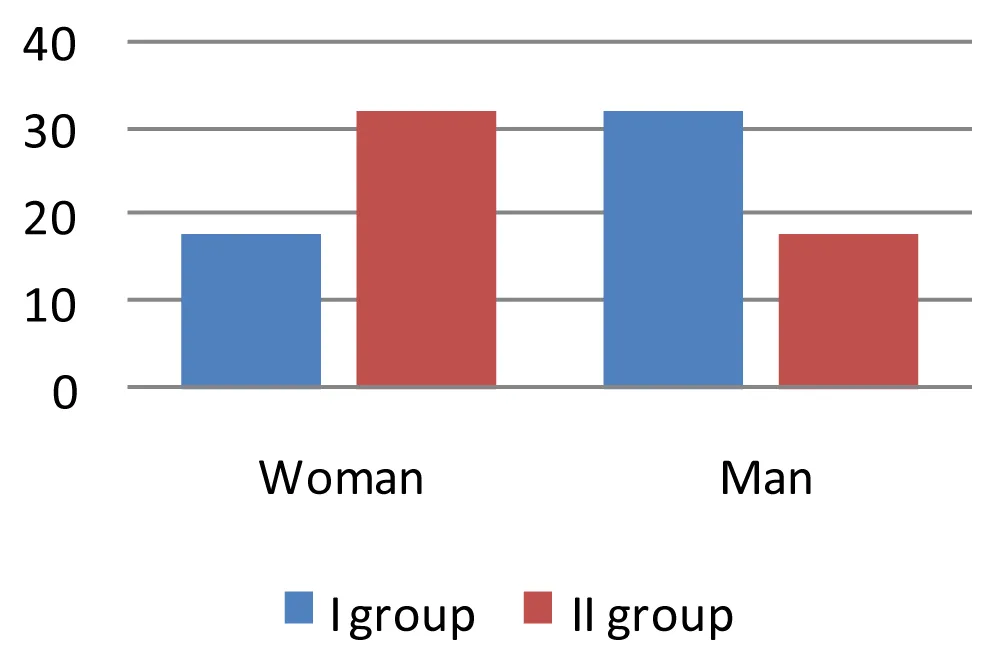
Figure 1: Age and gender distribution.
Statistical analysis
This research is retrospective-prospective. The results of the research will be included in the work tables and shown in the tables and graphs. The data will be processed by descriptive retrospective statistics to obtain the basic statistical parameters of the samples, and assess the parameters of the population from which the samples originate. Where previous analyses, as well as ongoing analyses, of the need to investigate the statistical significance of the difference in the form of data distribution, methods of non-parametric tests, will be used. In the first stage of the statistical processing of the results, the database would be formed, and then the sorting, grouping, and tabulation of the results according to the tested characteristics would be done.
Statistical analysis was performed using IBM SPSS Statistics software (Version 25.0). Continuous variables were expressed as mean ± standard deviation (SD), whereas categorical variables were presented as frequencies and percentages. Differences between categorical variables were analysed using the Chi-square (χ²) test. Where appropriate, non-parametric statistical tests were applied according to the distribution of the analysed data. Statistical significance was accepted at p < 0.05. The selected statistical methods were considered appropriate for the study design and the characteristics of the analysed variables [31,33].
The results of the study showed that in group I, about 72% of patients with HCC had a chronic HBV infection and only 28% were infected with hepatitis C (Figure 2).
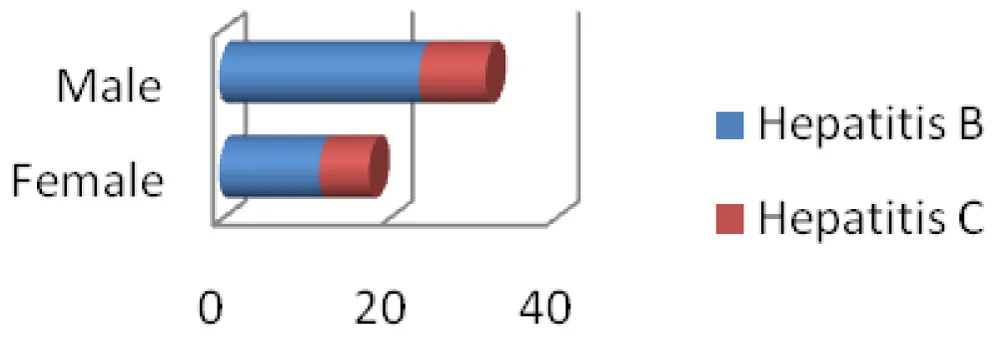
Figure 2: Distribution of chronic hepatitis B virus (HBV) and hepatitis C virus (HCV) infection among patients with hepatocellular carcinoma (HCC).
The frequency of hepatitis B is greater than hepatitis C, but the proportions of men and women in relation to the type of hepatitis are not significantly different. In the control group, hepatitis C infection was prevalent in relation to HBV infection (Figure 3).
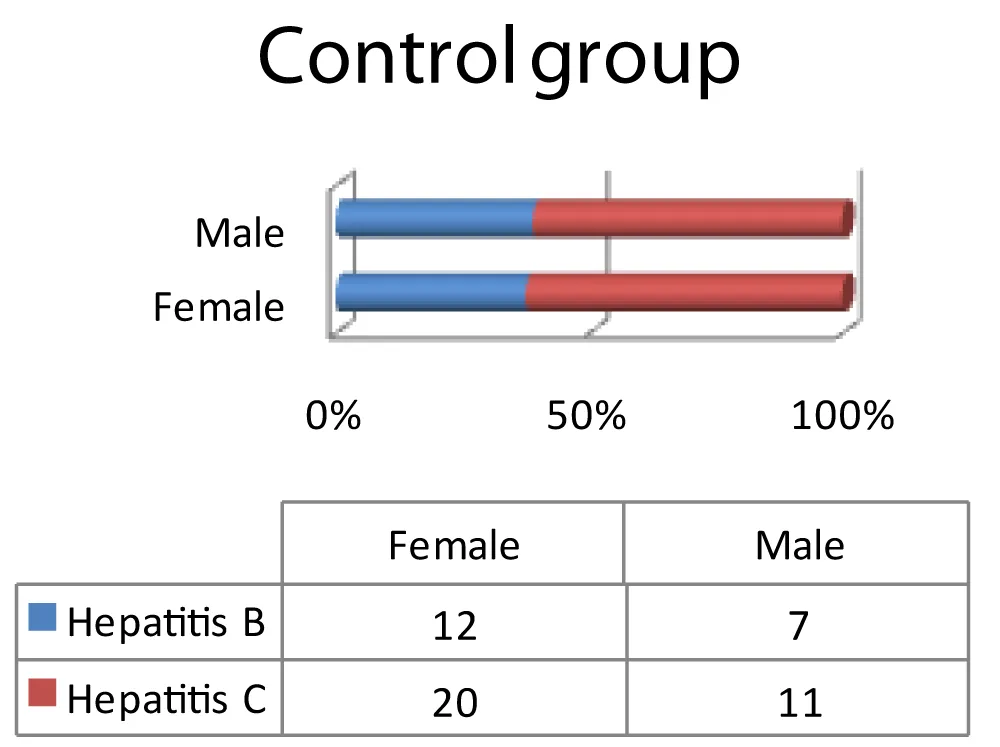
Figure 3: Distribution of HBV and HCV infection in the control group according to sex.
In the group of subjects, 72% prevalence of hepatitis B, while the control group had a 62% prevalence of hepatitis C. The existence of statistically significant differences was confirmed by the chi-square test (chi-square = 11.677, number of degrees of freedom = 1, p = 0.001). In Group I with HCC, 58% had liver cirrhosis, whereas 42% did not have cirrhosis (Figure 4).
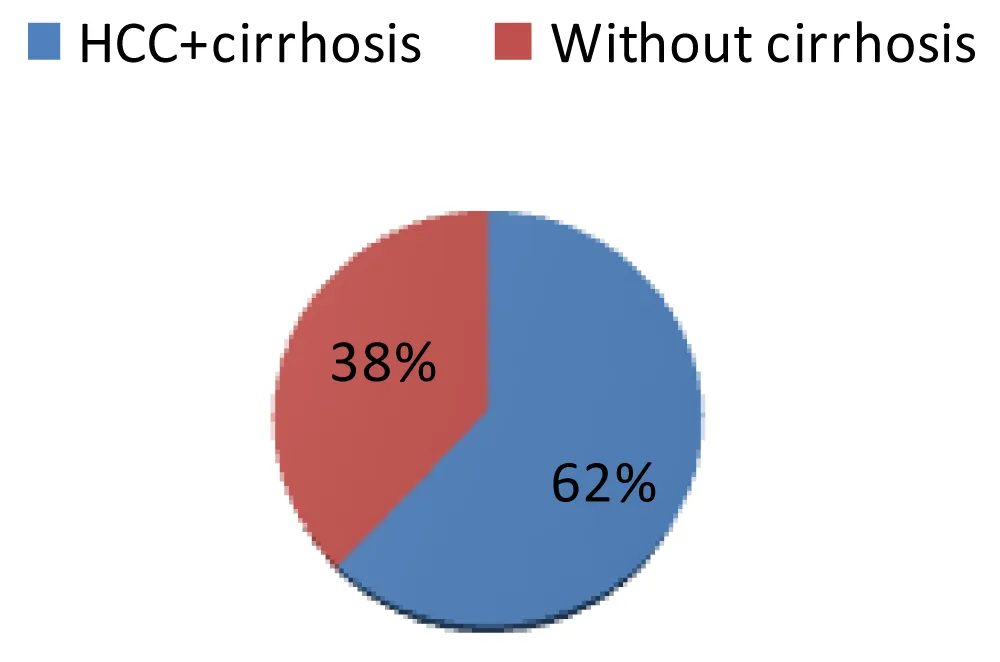
Figure 4: Prevalence of liver cirrhosis among patients with hepatocellular carcinoma.
The average AFP values in male subjects of the first group are higher than the AFP values of female respondents. Patients with chronic hepatitis B have a higher mean AFP than Group I with hepatitis C (Figure 5).
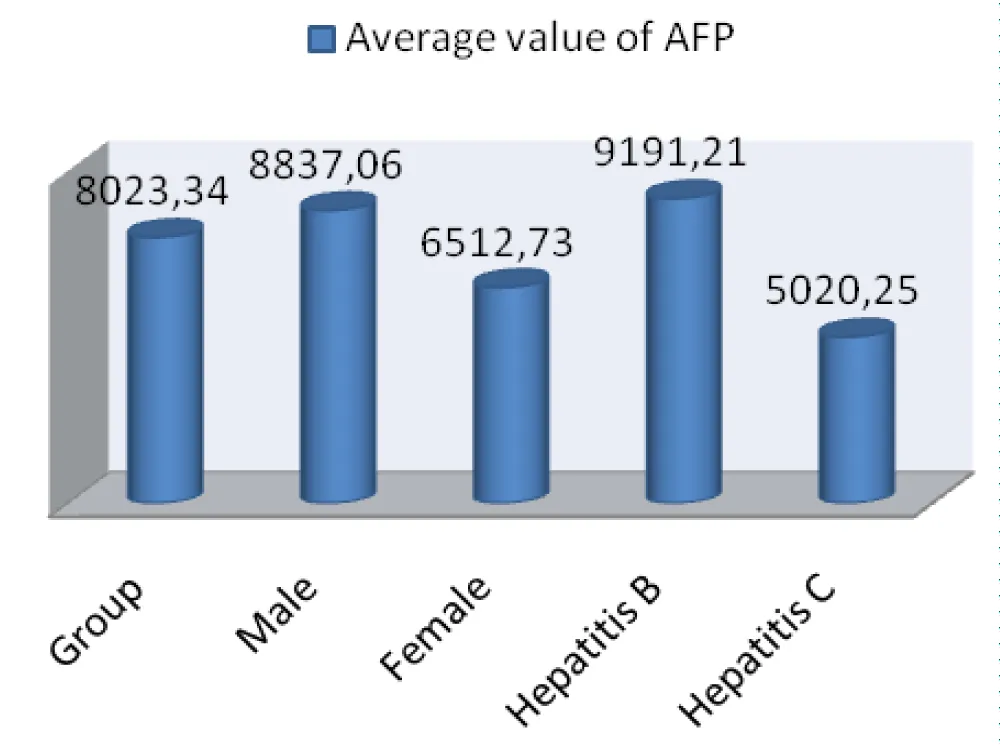
Figure 5: Mean alpha-fetoprotein (AFP) concentrations according to sex and hepatitis type in patients with hepatocellular carcinoma.
Male patients had higher mean AFP values than female patients, as well as those with type hepatitis B, who had a higher mean AFP than the average of the group and those who suffered from hepatitis C. In the control group, women with hepatitis C had an average AFP higher than men (Figure 6).
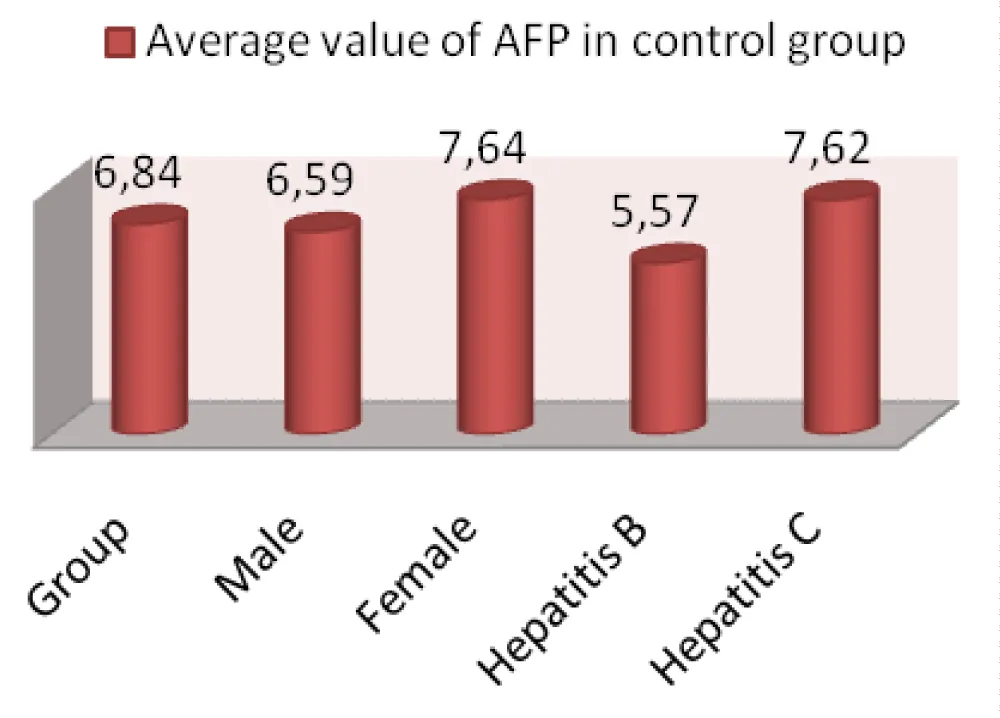
Figure 6: Mean alpha-fetoprotein (AFP) concentrations according to sex and hepatitis type in the control group.
In the control group, women with chronic hepatitis C infection have an average AFP value greater than the average of the group. There was a steady increase in AFP in the control group with an increase in the age of the respondents. In patients with liver cirrhosis, higher average AFP values than the average of the group (Figure 7).
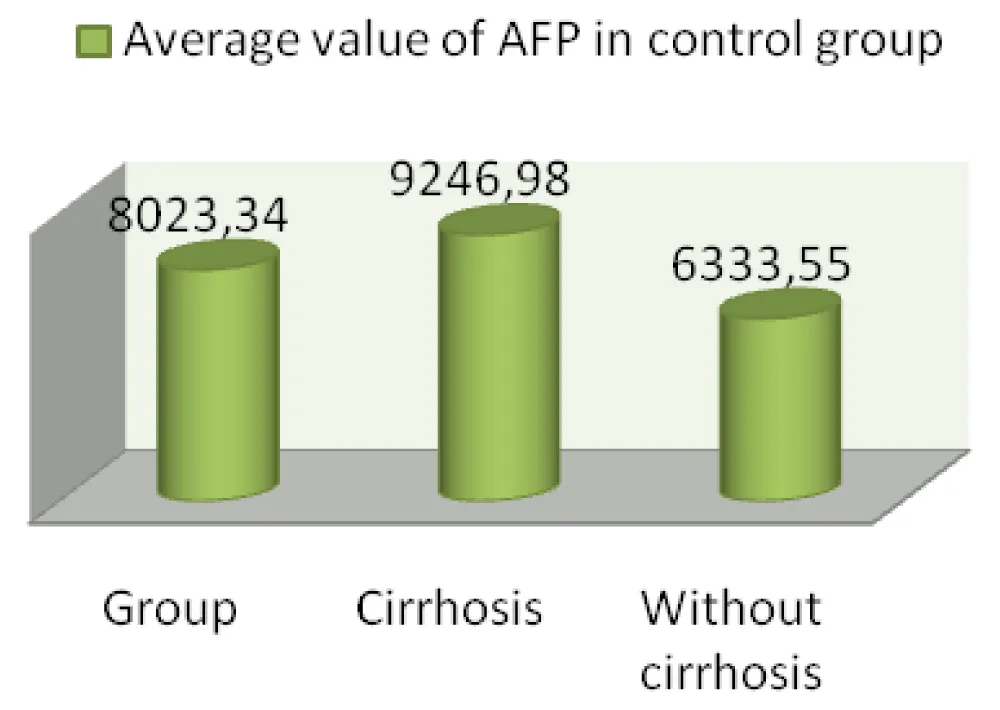
Figure 7: Mean alpha-fetoprotein (AFP) concentrations according to the presence or absence of liver cirrhosis.
Patients with cirrhosis of the liver have an average AFP value greater than the average of the group.
The study found that the representation of men and women was almost equal in both groups (group I and control group), but in both groups the representation of male respondents was significantly higher in relation to women (p < 0.001). As for the age structure of the patients, the results show that the shift towards a more advanced age in group I (66 years of age), while the control group is moving towards a younger age (average 46 years). The degree of fibrosis increased with disease progression and advancing age. However, we did not find a significant difference in the number of patients in the first group who suffer from HCC with liver cirrhosis in patients suffering from HCC-free cirrhosis. There is also no statistically significant difference in liver cirrhosis in males and females (X² = 0.867, number of degrees of freedom 1, p = 0.352).
Hepatitis B was responsible for liver cirrhosis in 72% of cases, while hepatitis C was responsible for cirrhosis in the remaining 28% of subjects, which was statistically significant (p < 0.001). In the control group, 62% of patients had chronic HCV infection, while HBV chronic infection accounted for 38% of subjects (p < 0.005). The results of our study showed that in group I (patients with HCC), men had an average AFP value greater than women, as well as those with chronic hepatitis B, who had a higher mean AFP than the average of the group and of those with chronic hepatitis C.
In the control group in patients with chronic HBV infection, the average AFP value is significantly higher in men than in women (p < 0.005), and in patients with chronic HCV infection, the mean AFP values in women are significantly higher than in men (p < 0.001). The average AFP in subjects with liver cirrhosis is greater than the average of the group, while in patients without cirrhosis the average AFP value is less than the average of the group, which means that AFP is a significant predictor in the appearance of HCC.
Although AFP is one of the most sensitive markers for HCC diagnosis, some other indicators may be significant and should be taken into account, such as metastatic protein1 (MTA1) and nuclear factor (NF-k) [27]. In any case, research in this direction does not stop, and it is expected to find even more sensitive markers in the future that will serve in the early detection of metaplastic changes.
Despite advances in antiviral treatment and surveillance strategies, chronic HBV and HCV infections remain major etiological factors for hepatocellular carcinoma. These findings confirm the continued clinical importance of chronic HBV and HCV infections as major risk factors for hepatocellular carcinoma and support the need for early diagnosis, regular surveillance, and timely therapeutic intervention in high-risk patients [31,34,36,37].
The research showed that:
- Male gender dominates in both groups- the experimental and control groups.
- Respondents in the experimental group were older.
- Chronic hepatitis B infection was identified in 72% of patients with hepatocellular carcinoma.
- Hepatocellular carcinoma was equally present in both men and women.
- HCC was equally present in patients with liver cirrhosis and in patients who did not have cirrhosis.
- In the control group, a large number of patients were infected with viral hepatitis C.
- Higher AFP concentrations were observed in patients with HCC associated with chronic HBV infection and liver cirrhosis.
- Higher AFP concentrations were associated with increasing patient age.
- The duration of the disease in patients with chronic hepatitis B and C aetiology increases the risk of developing HCC.
- Regev A, Schiff ER. Viral hepatitis A, B, and C. J Gastrointest Surg. 2005;8(7):794‑805.
- Biron C. Initial and innate responses to viral infections: pattern setting in immunity or disease. Curr Opin Microbiol. 1999;2(4):374‑81. Available from: https://doi.org/10.1016/s1369-5274(99)80066-6
- Dautović‑Krkić S. Virusni hepatitisi. In: Infektologija. Sarajevo‑Tuzla; 2011. p. 293‑301.
- Balsano C, Avantaggiati ML, Natoli G, De Marzio E, Will H, Perricaudet M, et al. Full‑length and truncated versions of the hepatitis B virus (HBV) X protein (pX) transactivate the c‑myc protooncogene at the transcriptional level. Biochem Biophys Res Commun. 1991;178(3):985‑92. Available from: https://doi.org/10.1016/0006-291x(91)90379-l
- Hsing AW, Zhang M, Rashid A, McGlynn KA, Wang BS, Niwa S, et al. Hepatitis B and C virus infection and the risk of biliary tract cancer: a population‑based study in China. Int J Cancer. 2008;122(8):1849‑53. Available from: https://doi.org/10.1002/ijc.23251
- Amin J, Dore GJ, O’Connell DL, Bartlett M, Tracey E, Kaldor JM, et al. Cancer incidence in people with hepatitis B or C infection: a large community‑based linkage study. J Hepatol. 2006;45(2):197‑203. Available from: https://doi.org/10.1016/j.jhep.2006.02.014
- Afdhal NH, Nunes D. Evaluation of liver fibrosis: a concise review. Am J Gastroenterol. 2004;99(6):1160‑74. Available from: https://doi.org/10.1111/j.1572-0241.2004.30110.x
- Miyake Y, Takaki A, Iwasaki Y, Yamamoto K. Meta‑analysis: interferon‑alpha prevents recurrence after curative treatment of hepatitis C virus‑related hepatocellular carcinoma. J Viral Hepat. 2010;17(4):287‑92. Available from: https://doi.org/10.1111/j.1365-2893.2009.01181.x
- Rustemović N. Maligni tumori jetre. Gastroenterologija i Hepatologija. 2002:1355‑74.
- Ahmetagić S. Virusni hepatitisi. In: Infektologija. Sarajevo‑Tuzla; 2011. p. 301‑6.
- Asselah T, Ripault MP, Castelnau C, Giuly N, Marcellin P. The current status of antiviral therapy of chronic hepatitis. J Clin Virol. 2005;34 Suppl 1:S115‑24. Available from: https://doi.org/10.1016/s1386-6532(05)80020-4
- Miyake Y, Takaki A, Iwasaki Y, Yamamoto K. Meta‑analysis: interferon‑alpha prevents recurrence after curative treatment of hepatitis C virus‑related hepatocellular carcinoma. J Viral Hepat. 2010;17(4):287‑92. Available from: https://doi.org/10.1111/j.1365-2893.2009.01181.x
- El‑Serag HB. Hepatocellular carcinoma: recent trends in the United States. Gastroenterology. 2004;127(5 Suppl 1):S27‑34. Available from: https://doi.org/10.1053/j.gastro.2004.09.013
- Mohammed R, Yuen MF, Kao J, Lim SG. Prevention of hepatocellular carcinoma in hepatitis B virus infection. Gastroenterol Hepatol. 2009.
- Omer RE, Veer PV, Kadaru AMY, Kampman E, El Khidir IM, Fedail SS, et al. The role of hepatitis B and hepatitis C viral infections in the incidence of hepatocellular carcinoma in Sudan. J Hepatol. 2006;45(4):529‑38.
- Chang MH, Chen DS. Prevention of hepatocellular carcinoma by hepatitis B immunisation. Taipei: College of Medicine, National Taiwan University; 2003.
- Kasahara A, Hayashi N, Mochizuki K, Takayanagi M, Yoshioka K, Kakumu S, et al. Risk factors for hepatocellular carcinoma and its incidence after interferon treatment in patients with chronic hepatitis C. J Hepatol. 1998;27(5):1394‑402. Available from: https://doi.org/10.1002/hep.510270529
- Strauss R, Torner A, Duberg AS, Hultcrantz R, Ekdahl K. Hepatocellular carcinoma and other primary liver cancers in hepatitis C patients in Sweden: a low endemic country. J Viral Hepat. 2008;15(7):531‑7. Available from: https://doi.org/10.1111/j.1365-2893.2008.00979.x
- Davila JA, Henderson L, Kramer JR, Kanwal F, Richardson PA, Duan Z, et al. Screening for liver cancer in patients with hepatitis C virus infection and cirrhosis. Ann Intern Med. 2010.
- Bruix J, Sherman M, Llovet JM, Beaugrand M, Lencioni R, Burroughs AK, et al. Clinical management of hepatocellular carcinoma: conclusions of the Barcelona‑2000 EASL conference. J
- Baig JA, Alam JM, Mahmood SR, Baig M, Shaheen R, Sultana I, et al. Hepatocellular carcinoma and diagnostic significance of alpha‑fetoprotein. J Ayub Med Coll Abbottabad. 2009;21(1):72‑5. Available from: https://pubmed.ncbi.nlm.nih.gov/20364746/
- Tangkijvanich P, Mahachai V, Suwangool P, Poovorawan Y. Gender difference in clinicopathologic features and survival of patients with hepatocellular carcinoma. World J Gastroenterol. 2004;10(11):1547‑50. Available from: https://doi.org/10.3748/wjg.v10.i11.1547
- Peng SY, Chen WJ, Lai PL, Jeng YM, Sheu JC, Hsu HC. High α‑fetoprotein level correlates with high stage, early recurrence and poor prognosis of hepatocellular carcinoma: significance of hepatitis virus infection, age, p53 and β‑catenin mutations. Int J Cancer. 2004;112(1):44‑50. Available from: https://doi.org/10.1002/ijc.20279
- Tsuchiya M, Parker JS, Kono H, Matsuda M, Fujii H, Rusyn I. Gene expression in nontumoral liver tissue and recurrence‑free survival in hepatitis C virus‑positive hepatocellular carcinoma. Mol Cancer. 2010;9:74. Available from: https://doi.org/10.1186/1476-4598-9-74
- Shuhei Y, Kazutaka K, Keiji A, Tsutomu M, Naoki T, Toshiharu F, et al. Clinical significance of lens culinaris agglutinin‑reactive fraction of serum α‑fetoprotein in patients with hepatocellular carcinoma. Jpn J Gastroenterol Hepatol. 2002.
- Strauss R, Torner A, Duberg AS, Hultcrantz R, Ekdahl K. Hepatocellular carcinoma and other primary liver cancers in hepatitis C patients in Sweden: a low endemic country. J Viral Hepat. 2008;15(7):531‑7. Available from: https://doi.org/10.1111/j.1365-2893.2008.00979.x
- Bui‑Nguyen TM, Pakala SB, Sirigiri RD, Xia W, Hung MC, Sarin SK, et al. NF‑κB signalling mediates the induction of MTA1 by hepatitis B virus transactivator protein HBx. Oncogene. 2010;29(8):1179‑89. Available from: https://doi.org/10.1038/onc.2009.404
- Available from: https://www.ncbi.nlm.nih.gov/pmc/articles/PMC5516652/
- Available from: https://www.ncbi.nlm.nih.gov/pmc/articles/PMC4651909/
- Available from: http://www.doiserbia.nb.rs/ft.aspx?id=0025-810514031R
- Singal AG, Llovet JM, Yarchoan M, Mehta N, Heimbach JK, Dawson LA, et al. AASLD practice guidance on prevention, diagnosis, and treatment of hepatocellular carcinoma. Hepatology. 2023;78(6):1922‑65. Available from: https://doi.org/10.1097/hep.0000000000000466
- Park S, Davis AM, Pillai AA. Prevention, diagnosis, and treatment of hepatocellular carcinoma. JAMA. 2024;332(12):1013‑4. Available from: https://doi.org/10.1001/jama.2024.14101
- Seth I, Siu A, Hewitt L, Budak U, Farah B, et al. Clinical practice guidelines for the management of hepatocellular carcinoma: a systematic review. J Gastrointest Cancer. 2024;55(2):318‑31. Available from: https://doi.org/10.1007/s12029-023-00961-0
- Suddle A, Reeves H, Hubner R, Marshall A, Rowe I, Tiniakos D, et al. British Society of Gastroenterology guidelines for the management of hepatocellular carcinoma in adults. Gut. 202.
- Teng W, Wang HW, Lin SM, et al. Management Consensus Guidelines for Hepatocellular Carcinoma: 2023 Update on Surveillance, Diagnosis, Systemic Treatment, and Post-treatment Monitoring. Liver Cancer, 2024.
- World Health Organization. Guidelines for the prevention, diagnosis, care and treatment for people with chronic hepatitis B infection. Geneva: WHO; 2024.
- European Association for the Study of the Liver (EASL). EASL Clinical Practice Guidelines on the Management of Liver Diseases and Hepatocellular Carcinoma. Journal of Hepatology, 2023.
- Llovet JM, Kelley RK, Villanueva A, Singal AG, Pikarsky E, Roayaie S, et al. Hepatocellular carcinoma. Nat Rev Dis Primers. 2021;7(1):6. Available from: https://doi.org/10.1038/s41572-020-00240-3
- Villanueva A. Hepatocellular carcinoma. N Engl J Med. 2019 Apr 11;380(15):1450-1462. Available from: https://doi.org/10.1056/nejmra1713263
- Global Burden of Disease Liver Cancer Collaboration. Global Burden of Primary Liver Cancer and Its Etiological Factors in 204 Countries and Territories. The Lancet Gastroenterology & Hepatology, 2023.